Gut Health Supplement Probiotic Formulas: Spore-Based vs Standard, Side by Side
Quick answer
A spore-based gut health supplement probiotic uses Bacillus strains that travel through the stomach inside a tough dormant shell, so it survives acid, heat and a warm cupboard and only wakes up in the intestine. A standard formula uses live Lactobacillus and Bifidobacterium cultures, which have a much longer record of published human trials but are fragile in storage and lose viable cells over time.
- Spore-based: hardier, shelf-stable, passes through rather than settling in; smaller evidence base.
- Standard live culture: more strain-specific human research, but needs careful handling and often refrigeration.
- Either format: the strain code on the label tells you more than the format or the CFU number ever will.
Two bottles can both be sold as a gut health supplement probiotic and have almost nothing in common inside. One is a dried, dormant bacterial spore that behaves a bit like a seed. The other is a living culture kept alive through manufacturing, shipping and however long the bottle sat on a shelf. They are dosed differently, stored differently, studied differently, and they behave differently once swallowed. Most shopping guides skip straight to the CFU number, which is the least informative thing on the label.

What spore-based actually means
Spore-forming probiotics come from the Bacillus genus — commonly Bacillus subtilis, Bacillus coagulans and Bacillus clausii. When conditions are hostile, these organisms encase themselves in an endospore: a dehydrated, metabolically dormant structure with a hard protein coat. That structure is the entire selling point. It shrugs off stomach acid, tolerates heat that would destroy a live culture, and stays stable in a bathroom cabinet in July.
Once the spore reaches the small intestine, bile salts and a friendlier pH trigger germination and the organism becomes metabolically active. It then does its work as a transient — it does not take up permanent residence. Within days to a couple of weeks of stopping, spore-based organisms are largely gone from stool samples. That is not a flaw in the product; it is how the product works. Anything sold on the promise of permanently rebuilding your microbiome is overselling what a capsule can do.
The research base is genuinely younger. There are good human trials on specific Bacillus strains, but there are fewer of them, they tend to be smaller, and several were funded by the companies selling the strain. That is worth saying plainly rather than burying.
What standard live-culture formulas do well
The traditional side of the shelf is dominated by Lactobacillus (and the genera recently split out of it, such as Lacticaseibacillus and Limosilactobacillus) plus Bifidobacterium. These are organisms with a long history in fermented food and decades of clinical study behind particular strains. When a doctor or a dietitian recommends a specific probiotic by name, it is usually one of these, and usually a strain that has been through more than one controlled trial.
Their weakness is fragility. Live cells die during manufacturing, die in heat, die slowly on the shelf, and a large fraction die in stomach acid unless the capsule is designed to delay release. That is why the honest products state CFU "through end of shelf life" rather than "at time of manufacture", and why some of them need refrigeration. A bottle that sat in a delivery van in August may not contain what the label promised in the warehouse.
Side by side: what really separates the two
The table below compares the practical differences rather than the marketing ones. Note that the dose column describes what you will typically see printed on labels, not a recommendation and not a measure of how well anything works.
| Point of comparison | Spore-based (Bacillus) | Standard live culture (Lacto / Bifido) |
|---|---|---|
| Typical genera | Bacillus subtilis, coagulans, clausii | Lactobacillus group, Bifidobacterium |
| Survives stomach acid | Yes, by design — the spore coat is the delivery system | Partly; usually needs a delayed-release capsule to help |
| Storage | Room temperature, tolerant of heat | Often refrigerated; viability falls with warmth and time |
| Dose printed on labels | Usually in the low billions of CFU | Anywhere from about one billion to fifty billion CFU |
| How long it stays | Transient — days to weeks after stopping | Also transient for most strains, despite the marketing |
| Depth of human evidence | Growing but thinner; fewer independent replications | Deeper for a handful of well-studied strains; thin for the rest |
| Main practical risk | Strain not named, so you cannot check the research | Product degraded before you opened it |
Read that table twice and the honest conclusion is not "spore-based wins" or "standard wins". It is that the format decides how the product survives the journey, and the strain decides whether the journey was worth making.
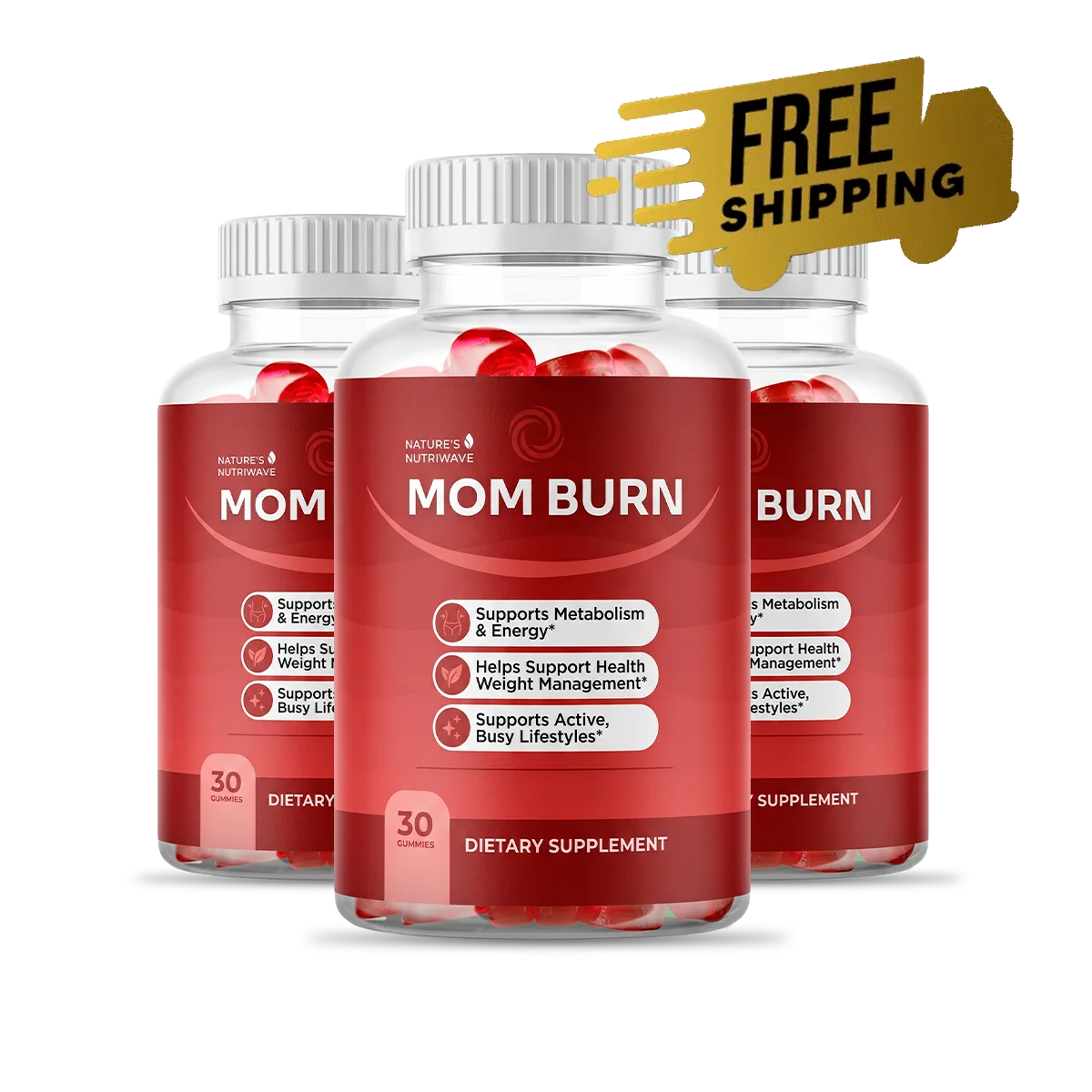
Looking at MomBurn instead?
MomBurn is not a probiotic — it is an apple cider vinegar and BHB gummy. If that is the shelf you are actually shopping, here is where to buy it and check the current MomBurn price on the official store.
See Official PricingHow to read a gut health supplement probiotic label
There are four things on a probiotic label that carry information, and one that mostly carries hype.
- Genus, species and strain. A useful label reads like Bacillus subtilis DE111 or Lacticaseibacillus rhamnosus GG — three parts, ending in a strain code. Probiotic effects are strain-specific, so a label that stops at the species name has told you roughly as much as a wine list that says "grape".
- CFU, and when it was measured. "At time of manufacture" is a number about the factory. "Through end of shelf life" is a number about the bottle in your hand.
- Whether the blend is proprietary. If eight strains share one blend weight, you cannot tell whether the strain you care about is present at a studied amount or at a sprinkle.
- Third-party testing. Independent verification of identity and count is not universal, and its absence is not a scandal, but its presence is a real point in a product's favour.
- The mostly-hype item: a huge CFU headline with no strain codes underneath it.
The single most useful habit when comparing probiotic bottles is to search the strain code, not the brand name. If the code returns nothing, you are buying a number rather than a body of evidence.
What the evidence supports, and how strongly
Honest summary first: probiotics are one of the better-studied supplement categories, and they are still an area where the confident claims run well ahead of the data. The strongest human evidence sits around digestive upset associated with a course of antibiotics, some travel-related digestive complaints, and particular strains in particular populations. Even there, results are strain-specific, effect sizes are usually modest, and trials are often small and short.
For general "gut health" in people without a diagnosed condition, the picture is much weaker. Systematic summaries of the field repeatedly land on the same two points: benefits do not transfer between strains, and healthy adults should expect subtle changes at best. For body weight specifically, the evidence that any probiotic meaningfully shifts the scale is inconsistent and generally weak — which is why a serious page about weight will talk about food, sleep and movement first, and supplements second.
None of this is a reason to dismiss the category. It is a reason to hold modest expectations, buy on strain evidence rather than shelf position, and treat anything described as the best gut health supplement on the internet as an advertisement until the strain codes check out.

What neither format can do
This is the section most product pages leave out, so here it is plainly. Neither a spore-based nor a standard probiotic can permanently recolonise your gut; the resident community is shaped over years by diet, medication, genetics and environment, and it reasserts itself after a supplement stops. Neither can compensate for a diet with almost no plants in it, because the resident bacteria are fed by fibre, not by the newcomers you swallow.
Neither can diagnose, treat, cure or prevent any disease, and any page telling you otherwise about a supplement is making a claim it is not allowed to make. Neither is automatically safe for everyone: people who are severely immunocompromised, critically ill, or have a central line have been advised against live organism supplements in clinical settings, and that is a conversation for a clinician rather than a comment section.
And neither can be evaluated by you at all if the label hides the strain behind a proprietary blend. That is not a limitation of the science. It is a limitation of the disclosure, and it is entirely fixable by the company that chose not to fix it.
Choosing between them without guessing
A short decision procedure that avoids most of the traps:
- If storage or travel is the problem — hot house, no fridge space, a bag that lives in a car — spore-based removes a variable that quietly ruins live cultures.
- If you have a specific goal that a named strain has actually been studied for, buy that strain, whichever camp it falls into. Strain first, format second.
- Change one thing at a time. Starting a probiotic, a fibre supplement and a new eating pattern in the same week guarantees you will not know what did what. If you are weighing fibre against food, the companion piece on what changes when you use a fibre supplement instead of eating more vegetables covers that trade directly.
- Give it about four weeks and keep a two-line daily note. Digestive comfort is noisy; memory is worse than a notebook.
- Stop if it is not doing anything. A supplement you keep buying out of habit is a subscription, not a strategy.
Where a product like MomBurn fits, honestly
It does not fit in this comparison, and pretending otherwise would be the kind of thing this site exists to point out. MomBurn is an apple cider vinegar and BHB gummy with calcium, magnesium and sodium mineral salts. There are no bacterial strains on its label, so it is not a gut health supplement probiotic in any sense and should not be compared against one. If you arrived here searching for the best gut health and debloat supplement, the accurate answer is that you are looking at two different product categories that happen to be advertised to the same person.
Where the two shelves do overlap is expectation management. Both are sold with imagery of flat stomachs and effortless mornings; both are, at best, small supporting inputs next to what you eat, how you sleep and how much you move. Reading the label carefully is the same skill in both aisles.
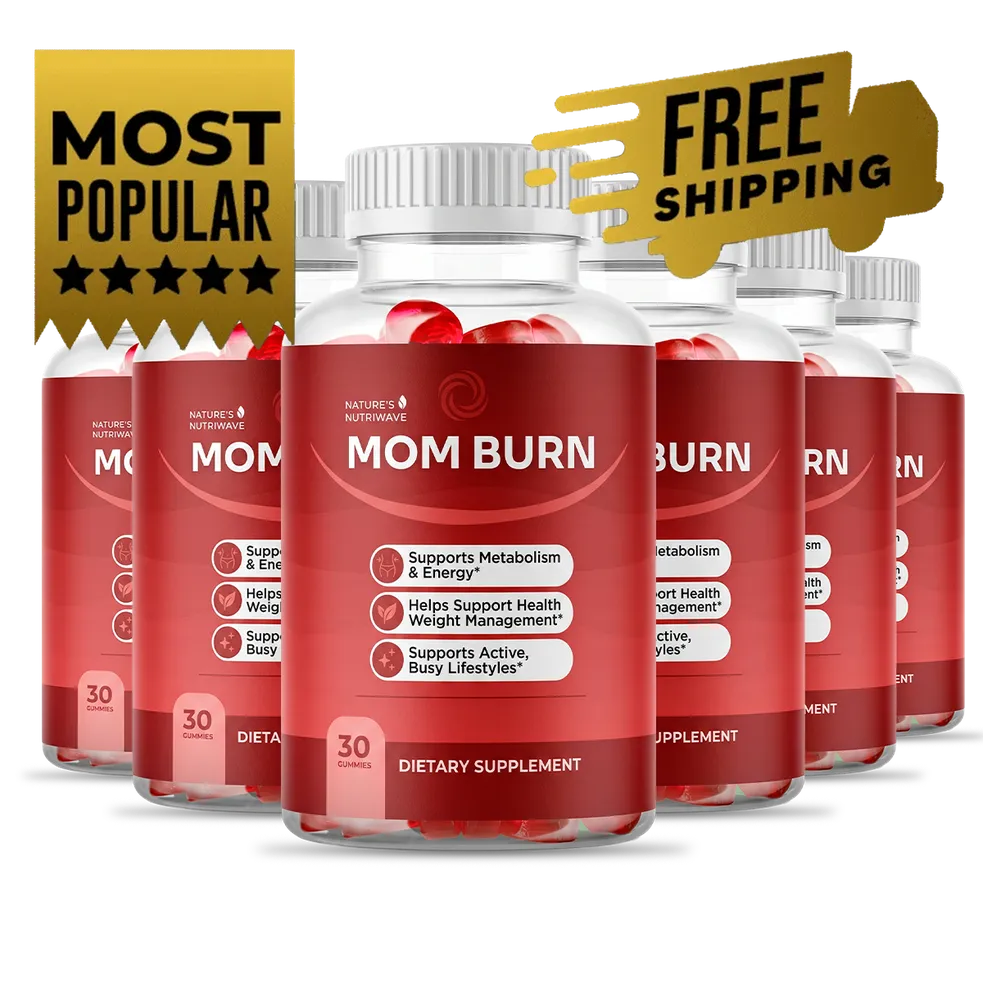
See the current MomBurn price
Official store pricing, free US shipping on 3 and 6 bottles, 60-day money-back guarantee. This is the only place we link for where to buy apple cider vinegar gummies from this brand.
Order NowFrequently asked questions
Is a spore-based probiotic better than a standard one?
Neither format is better in general. Spore-based Bacillus strains survive heat, acid and a warm cupboard far better, which makes them practical for travel and for anyone who forgets the fridge. Standard Lactobacillus and Bifidobacterium products have a longer published record of strain-specific human trials. The better choice is the one whose named strain has been studied for the thing you actually want help with.
Does a higher CFU count mean a stronger probiotic?
No. CFU is a count of viable cells at a moment in time, not a measure of effect. Some strains have been studied at one billion CFU and some at fifty billion, and the higher number is not automatically the more useful one. Treat CFU as a manufacturing specification and look at the strain code instead.
How long should I take a probiotic before deciding?
Most trials that report a change run for at least two to four weeks, and digestive comfort can be noisy day to day, so a single week tells you very little. Give any new formula about four weeks, change only one thing at a time, and write down what you notice rather than trusting memory.
Does MomBurn contain probiotics?
No. MomBurn is an apple cider vinegar and BHB gummy with calcium, magnesium and sodium mineral salts. It is not a probiotic and does not list any bacterial strains, so nothing on this page should be read as a claim about what MomBurn does. If you want live cultures, that is a separate product.
References
- NCCIH (NIH) — Probiotics: What You Need To Know
- NIH Office of Dietary Supplements — Probiotics fact sheet
- Mayo Clinic — Probiotics and prebiotics: what you should know
- Harvard T.H. Chan School of Public Health — The Microbiome
- PubMed — Expert consensus on the scope and appropriate use of the term probiotic