Over the Counter Weight Loss Pills Explained: Categories, Claims and What to Expect
Do over-the-counter weight loss pills work, in one paragraph?
Over-the-counter weight loss pills are supplements or non-prescription products you can buy without a doctor, spanning fat binders, stimulant thermogenics, fibre formulas and apple cider vinegar or BHB gummies. None match prescription-drug potency. Used honestly, they offer modest support for appetite, energy or routine, and work best alongside food and movement changes.
- Four main types: fat binders, stimulants, fibre, and ACV or BHB gummy formulas.
- Realistic role: a support to a calorie deficit, not a replacement for one.
- Non-negotiable step: read the label for the actual active dose before you buy.
Walk down any pharmacy aisle, or scroll any marketplace, and the promise is always the same shape: a bottle, a number, and a timeframe that feels too good to check. Over the counter weight loss pills are one of the most searched categories in health, and also one of the most misunderstood, because the label on the shelf and the claim in the advertisement rarely describe the same thing. This guide explains what the category actually contains, how the main types differ, and how to tell an honest support product from an overstated one before you spend anything.

What "over the counter" actually means
Over the counter simply means you can buy it without a prescription. In the weight category that almost always means a dietary supplement, which is a specific legal classification, not a compliment. A supplement is regulated as a food, not a drug. It does not have to prove it works before it goes on sale, and the manufacturer, not a regulator, is responsible for the claims on the box. That is why the fine print on every honest product, including this site, says the same sentence: these statements have not been evaluated by the Food and Drug Administration, and the product is not intended to diagnose, treat, cure or prevent any disease.
This is not a reason to distrust the whole aisle. It is a reason to shift where you place your trust. Instead of believing the front of the box, you read the supplement facts panel on the back, check the dose against what the ingredient was actually studied at, and judge the product on disclosure. A formula that publishes its amounts is telling you something. A "proprietary blend" that hides them behind a single milligram total is telling you something too.
The main types of over the counter weight loss pills
Almost everything on the shelf falls into one of four families, and they work in completely different ways. Confusing them is the single most common buyer mistake.
- Fat binders and blockers. These aim to bind a portion of dietary fat or starch so it passes through undigested. The best-known non-prescription example is a low-dose version of a drug that is also sold on prescription at higher strength. Mechanism: real but narrow. Trade-off: the fat you block has to go somewhere, and the digestive effects are exactly what you would expect.
- Stimulant thermogenics. Caffeine, green tea extract, and various "fat burner" blends that raise alertness and slightly lift energy expenditure. These feel the most powerful because you can notice caffeine working. That sensation is not fat loss, and the same ingredient drives most of the side effects in the category: raised heart rate, jitteriness and disturbed sleep.
- Fibre and bulking formulas. Glucomannan, psyllium and similar soluble fibres swell with water to blunt hunger between meals. The mechanism is fullness, the effect is gradual, and it depends entirely on taking them with enough fluid and before food rather than after.
- Apple cider vinegar and BHB gummy formulas. The newer, stimulant-light end of the aisle. These lean on acetic acid from apple cider vinegar and, in dual formulas, exogenous BHB ketone salts. They suit people who specifically want to avoid a jittery fat-burner, and they are the category MomBurn sits in.
Notice that only two of these four even attempt to touch fat directly, and the two that do come with the clearest trade-offs. The gentler formulas work on the edges of appetite and routine, which is a smaller claim and, for many people, a more sustainable one.
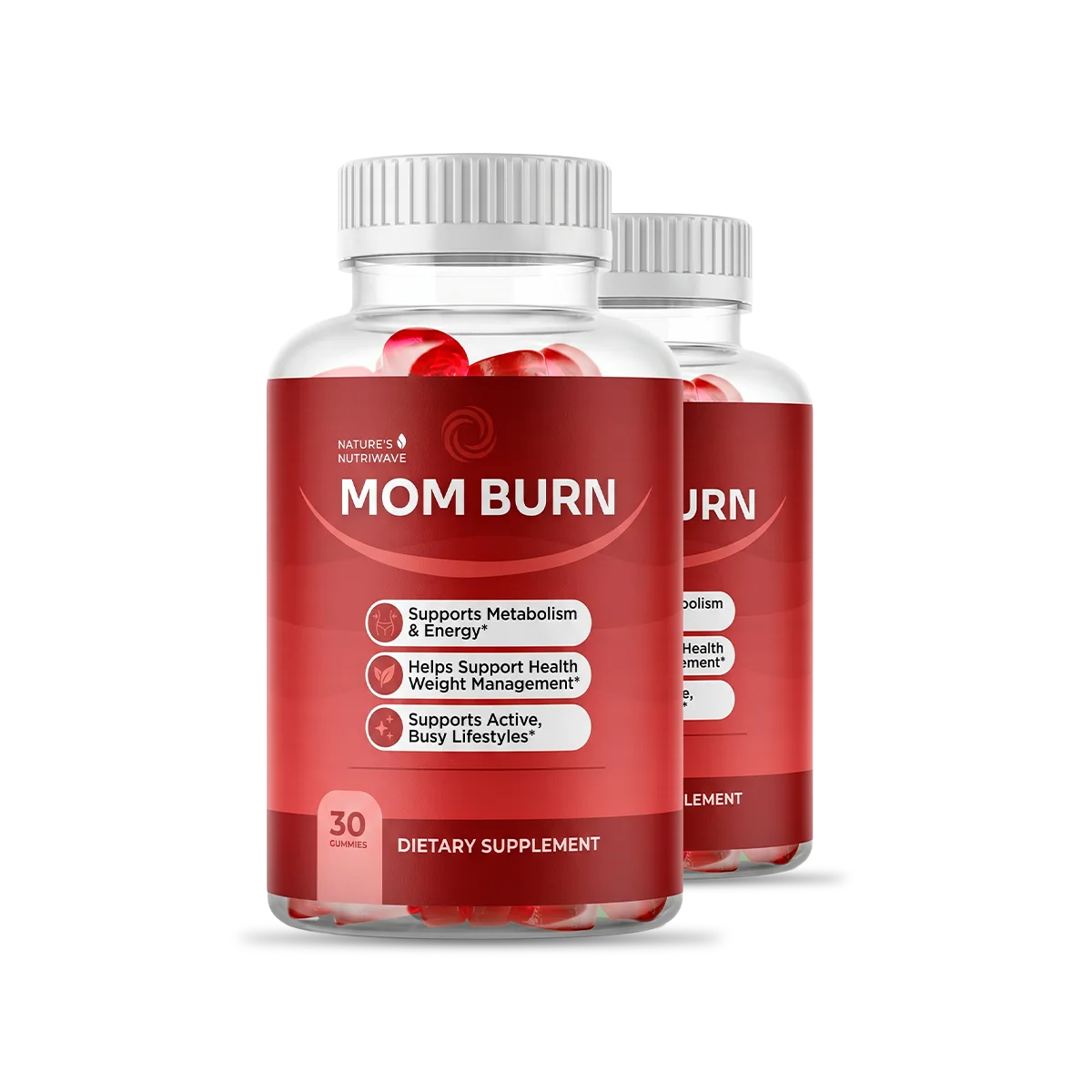
Looking for the stimulant-free end of the aisle?
MomBurn is a once-daily apple cider vinegar and BHB gummy, not a caffeine fat burner. If that is the corner of the shelf you came for, this is where to see the current official pricing.
See Official PricingOTC versus prescription: the difference that matters most
The most important thing to understand about over the counter weight loss pills is what they are not. Prescription weight-loss medicines are approved drugs. They have a defined active dose, clinical trials that measured how much weight people lost, a licensed prescriber deciding whether they are right for you, and a monitoring plan for side effects. None of that applies to a supplement. The gap in potency is not small, and no honest supplement closes it.
| Feature | Prescription weight-loss drugs | Over-the-counter pills and gummies |
|---|---|---|
| Regulatory status | Approved medicine | Dietary supplement, sold as food |
| Pre-market proof of effect | Required, via clinical trials | Not required before sale |
| Typical effect size | Can be substantial, under supervision | Modest at best; supportive |
| Who decides suitability | A prescribing clinician | The buyer |
| Monitoring | Ongoing medical follow-up | None |
| Best honest use | Managing obesity as a condition | Supporting a routine you already run |
If a bottle on an open shelf claims to match a prescription drug, the claim is the problem, not the competitor's product. Potency that real is exactly why the real thing needs a prescription.
Three myths worth retiring before you buy
Most disappointment with this category is really a mismatch between the promise people heard and the mechanism they bought. Three assumptions do most of the damage.
Myth one: the strongest pill is the best pill
"Strongest" usually means "most stimulants", because caffeine is the only ingredient whose effect you can feel within an hour. But a racing heart is a side effect, not a result. The products that feel like nothing, such as a fibre that quietly takes the edge off an afternoon, often fit real life better than a thermogenic that leaves you wired at 11pm and skipping it by the weekend. Adherence beats intensity every time, because the pill you actually keep taking is the only one that can do anything.
Myth two: a supplement can replace the deficit
No over-the-counter product creates weight loss out of nothing. Every mechanism in the category works by making a calorie deficit slightly easier to reach or hold, whether that is through fullness, appetite, a flatter glucose response after a meal or a small lift in energy that gets you moving. The deficit is still the engine. A gummy is, at most, a better grip on the wheel. Any product sold as a substitute for changing what and how much you eat is describing a fantasy.
Myth three: natural means it cannot cause problems
Caffeine is natural. So is senna, and so are plenty of botanicals that interact with medication. "Natural" describes a source, not a safety guarantee. This is why the label matters more than the marketing word on the front, and why anyone taking prescription medication, managing a heart condition, or pregnant or breastfeeding should treat even a gentle supplement as a conversation with a pharmacist first. Our companion guide on weight loss pill side effects worth knowing before you start walks through the specific ones by category.

How to read the label before you spend anything
You can filter out most of the overstated products in about ninety seconds with four checks.
- Find the active dose, not the total. A formula should tell you how many milligrams of the working ingredient you are getting. Compare that to the amount used in the research the box hints at. A "1,500 mg proprietary blend" that lists eight ingredients is hiding the doses of all eight.
- Match the mechanism to your goal. If your problem is snacking at night, a stimulant taken in the morning is the wrong tool. If your problem is energy, a fibre is the wrong tool. Buy the mechanism, not the marketing.
- Check the serving reality. Some products only reach their "studied" dose at three or four capsules a day, which changes the cost and the tolerability. A once-daily format you will actually keep to beats a four-a-day regimen you will abandon.
- Read the guarantee, then the returns process. A genuine money-back guarantee tells you how confident the seller is. A guarantee you can only claim through a maze tells you the opposite.
If appetite is your main lever, it is worth understanding the gentlest tools in more depth; the guide to natural appetite suppressant gummies covers how fibre, acetic acid and protein each blunt hunger through different routes.
Where gummies like MomBurn fit on the shelf
To be clear about our own product: MomBurn is an apple cider vinegar and BHB gummy with calcium, magnesium and sodium mineral salts. It belongs to the fourth family above, the stimulant-light corner of the over-the-counter aisle. It contains no caffeine fat-burner blend, no fat binder and no fibre bulking agent, so it is not competing with those tools and will not do their specific jobs. What it offers is a once-daily, low-drama format for people who want the apple cider vinegar mechanism without swigging liquid vinegar, plus the BHB ketone signalling story on top.
That is a smaller, more honest claim than "strongest fat burner on the shelf", and it is deliberately so. The realistic expectation for any product in this corner is modest, gradual support to a routine you are already running, not a transformation from a bottle. If you decide MomBurn is the right fit, buying from the official store rather than a third-party reseller matters for both the guarantee and the formula; our note on where to buy MomBurn safely online explains why.
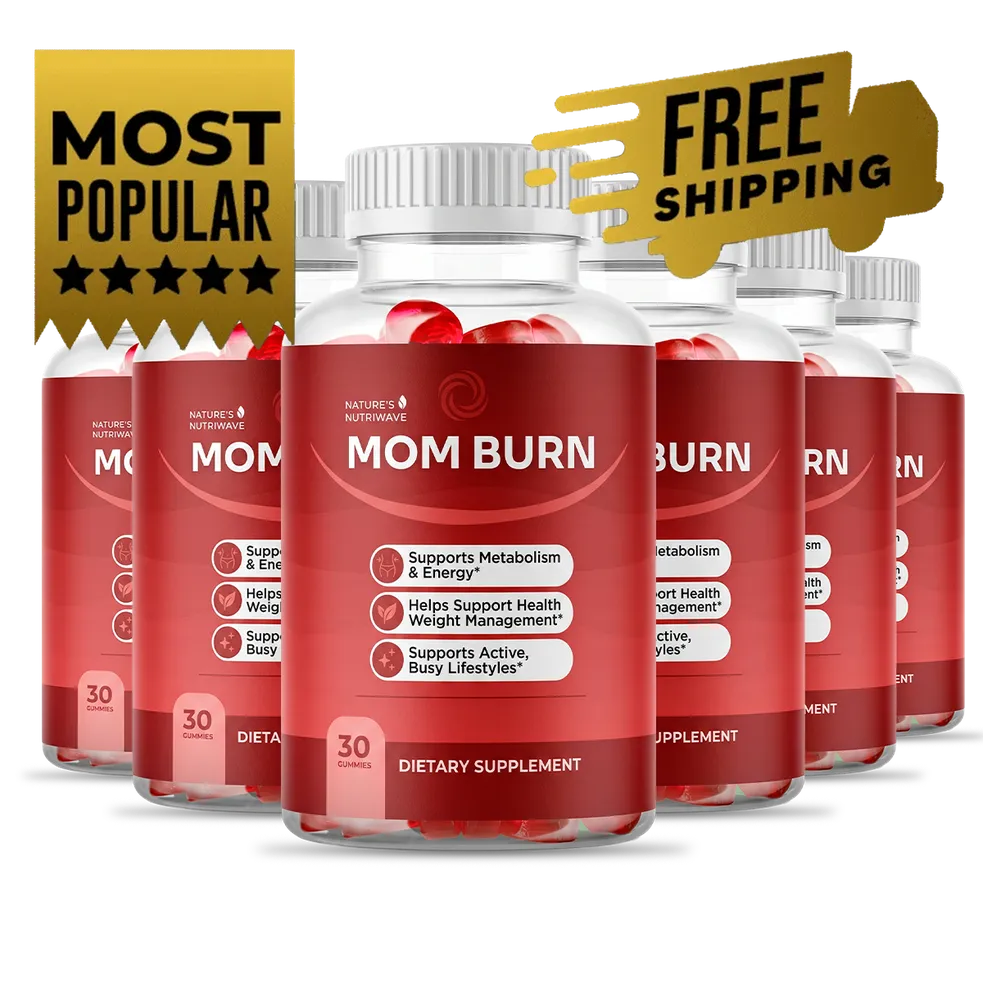
See the current MomBurn price
Official store pricing, free US shipping on 3 and 6 bottles, and a 60-day money-back guarantee on every bundle.
Order NowFrequently asked questions
Do over-the-counter weight loss pills actually work?
Some help a little, most do not do much on their own, and none work the way an advertisement implies. The categories with the most human evidence tend to nudge appetite, water balance or fullness rather than melt fat. A realistic frame is that an over-the-counter product can make a calorie deficit slightly easier to sustain, while the deficit itself is what changes the scale. Anything promising results without any change to food or movement is selling a photograph, not a mechanism.
What is the strongest OTC weight loss pill?
There is no single strongest pill, because strength depends on what you mean. High-stimulant thermogenics feel the most powerful because caffeine is doing the work you can notice, but that sensation is not the same as fat loss and it comes with the most side effects. Fat binders and fibre formulas feel like nothing yet have clearer mechanisms for a few specific people. The honest answer is that no over-the-counter option approaches the potency of a prescription weight-loss medicine, and any product claiming otherwise is overstating its case.
Are OTC weight loss pills safe?
Most well-formulated supplements are reasonably tolerated by healthy adults at label doses, but safe is not a blanket term. Stimulant blends can raise heart rate and blood pressure and disturb sleep. Fat binders can cause digestive effects. Any product can interact with medication or an existing condition. Because supplements are not reviewed by the FDA before sale, the burden of checking the label, the dose and your own health context falls on you. Speak to a pharmacist or doctor before starting anything if you take medication or are pregnant or breastfeeding.
OTC pills vs prescription: what's the difference?
Prescription weight-loss drugs are approved medicines with defined active doses, clinical trials measuring weight change, and a clinician monitoring you. Over-the-counter pills are dietary supplements: they are not approved to treat obesity, are not required to prove a weight-loss effect before sale, and are intended to support a healthy routine rather than act as medicine. The practical difference is potency and oversight. If you have a significant amount of weight to lose or a related health condition, that is a medical conversation, not a shelf purchase.